Yoga Anti-Stress: Reclaiming Your Calm and Vitality with Ancient Wisdom
In our fast-paced modern world, the pervasive presence of stress often feels unavoidable, eroding our well-being and diminishing our life force. It functions like a relentless current, pulling us away from our natural state of calm and clarity. Many individuals find themselves caught in its grip, grappling with depleted energy levels, diminished focus, and a generalized sense of unease. This persistent state of heightened arousal, as detailed by Maryse Lehoux in the accompanying video, isn’t just an inconvenience; it actively compromises our vitality and can accelerate physiological aging processes, turning our inner peace into a distant memory. However, there exists a powerful and time-tested solution to this modern malady: the ancient practice of yoga, a holistic discipline designed to recalibrate our entire system.
Yoga offers a profound path to not only manage but actively transform your relationship with stress, guiding you back to a state of equilibrium. As Maryse so eloquently demonstrates, it’s a multifaceted discipline that doesn’t just address symptoms but works on several interconnected layers of our being. By integrating specific postures, conscious breathing techniques, and mindful awareness, yoga becomes a formidable ally against the silent ravages of chronic stress. This practice empowers us to navigate life’s challenges with greater resilience, fostering a deep sense of inner peace and renewed energy that permeates every aspect of our lives. It truly is the ultimate antidote, allowing us to counteract the “assassin of energy” that stress represents.
The Multifaceted Approach of Yoga in Stress Management
The profound efficacy of yoga in stress management stems from its comprehensive engagement with the human system, extending far beyond mere physical exertion. It operates on physical, physiological, mental, and emotional planes simultaneously, creating a harmonious cascade of calming effects. On a physical level, specific asanas release accumulated tension held within the muscles and fascia, often unrecognized until addressed. Physiologically, yoga directly influences the autonomic nervous system, shifting dominance from the sympathetic “fight or flight” response to the parasympathetic “rest and digest” mode, thereby lowering heart rate, blood pressure, and cortisol levels. This fundamental shift is crucial for long-term stress reduction.
Furthermore, the practice cultivates a heightened state of mental clarity and emotional regulation. By encouraging practitioners to observe thoughts and feelings without attachment, yoga fosters a detachment that prevents rumination and emotional reactivity. It’s akin to observing clouds pass in the sky rather than being swept away by a storm. This profound interplay means that engaging in a regular yoga practice, as presented in the anti-stress yoga session above, doesn’t just make you feel better in the moment; it fundamentally re-patterns your body’s response to stress, enhancing your overall resilience and capacity for joy.
Unlocking Calm: Core Yoga Techniques for Stress Reduction
The beauty of yoga lies in its accessibility and the profound impact even short, focused sessions can have, as you’ve just witnessed in the video. The carefully selected postures and breathing exercises outlined by Maryse Lehoux are specifically designed to counteract the physiological and psychological effects of stress. Each element works synergistically to soothe the nervous system, release bodily tension, and quiet the mind, creating a sanctuary of calm within. These techniques are not just temporary fixes; they are tools that, when regularly applied, build a robust internal defense against future stressors.
When approaching these practices, it is paramount to prioritize listening to your own body and modifying postures as needed. Remember, yoga is a journey of self-discovery and self-care, not a performance. The goal is to cultivate a deeper connection with your inner landscape, fostering a sense of grounding and presence. By engaging fully with each breath and movement, you transform your practice into a powerful meditation, allowing the therapeutic benefits of anti-stress yoga to permeate your entire being and dissolve the knots of tension.
1. Diaphragmatic Breathing: The Anchor of Your Inner Peace
Central to any effective anti-stress yoga practice is the conscious control of breath, particularly diaphragmatic (abdominal) breathing. As Maryse emphasizes, the breath acts as a crucial bridge connecting your physical body, your emotions, and your thoughts. When we are stressed, our breath often becomes shallow and rapid, signaling to our nervous system that we are in danger. Conversely, deep, slow, belly breathing activates the vagus nerve, which in turn stimulates the parasympathetic nervous system, directly inducing a state of relaxation and calm. This fundamental shift from chest breathing to deep abdominal breathing is like changing the current on a river, redirecting its flow from turbulent rapids to a serene meander.
To deepen this practice, consider the nuances highlighted for those comfortable with abdominal breathing. Consciously relaxing the pelvic floor on inhalation creates more space and allows for a fuller descent of the diaphragm, promoting optimal oxygen exchange. Simultaneously, releasing the solar plexus – the energetic center often associated with anxiety and emotional tension – amplifies the feeling of release. On exhalation, as you gently draw the navel towards the spine, subtly engaging the pelvic floor and contracting the solar plexus helps to fully expel stale air and deepen the sense of grounding. This refined engagement transforms simple breathing into a sophisticated exercise in self-regulation, making it a cornerstone of anti-stress yoga.
2. Mobilizing the Spine: Cat-Cow and Lateral Flexions for Release
Our spine, often referred to as the central pillar of our being, plays a critical role in both physical mobility and nervous system health. When we are stressed, tension often accumulates along the spinal column, leading to stiffness and constricted movement. The Cat-Cow pose (Marjaryasana-Bitilasana) is a classic yoga posture that gently mobilizes the entire spine, moving it through flexion and extension in rhythm with your breath. This fluid motion lubricates the intervertebral discs, those crucial cushions between your vertebrae, and releases muscular tension along the back and neck. It’s like gently kneading dough, softening and loosening what was once rigid.
Similarly, seated lateral flexions, often referred to as half-moon pose variations, are excellent for creating space along the sides of the torso and spine. By lengthening one side of the body while rooting the opposite sit bone (ischial tuberosity) firmly into the earth, these movements decompress the spinal column and gently stretch the intercostal muscles between the ribs. This expansion allows for deeper breathing, which, as discussed, is intrinsically linked to stress reduction. Maryse also points out its digestive benefits, as these movements can gently stimulate abdominal organs, aiding in detoxification and promoting overall well-being – another often overlooked benefit of anti-stress yoga. The sensation of creating space, of elongating, directly counters the contracted, defensive posture often adopted under stress.
3. Grounding and Nourishing: Child’s Pose and Beyond
To conclude an anti-stress yoga sequence, or indeed to reset at any point of overwhelm, restorative postures are invaluable. Child’s Pose (Balasana), cherished by many for its comforting embrace, is a powerful antidote to stress, tension, and fatigue. It allows the body to surrender completely to gravity, mimicking a fetal position that evokes a sense of safety and security. This posture gently stretches the lower back and hips while calming the brain and relieving stress and anxiety. It’s a literal folding in on oneself, offering refuge from external demands and inviting introspection. For those experiencing menstrual discomfort, as Maryse’s daughter Sabrina does, Child’s Pose can offer significant relief by easing abdominal tension and promoting relaxation.
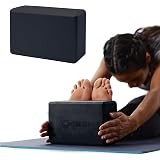
When practicing Balasana, ensure your comfort by adjusting knee width or placing a block under your forehead for support, maintaining a long, relaxed spine. Bringing the arms back alongside the body, palms up, further encourages shoulder and upper back relaxation, allowing the shoulders to soften away from the ears. This deep connection with the earth, symbolized by feeling enveloped by “Terre Mère,” helps to anchor your energy and restore a sense of belonging and stability. This profound feeling of being held is essential for mitigating the feelings of isolation and overwhelm that often accompany intense stress, completing the journey of anti-stress yoga by returning you to a state of profound peace.
Beyond the Mat: Integrating Anti-Stress Yoga into Daily Life
The true power of an anti-stress yoga practice extends far beyond the dedicated time spent on your mat. The lessons learned and the states of calm achieved during a session are designed to be integrated into the fabric of your everyday existence. The heightened awareness of your breath, for instance, can become an immediate tool for self-regulation in moments of tension – a quick anchor to pull yourself back to the present. Noticing physical stiffness can prompt a brief stretch or a conscious release of a clenched jaw or tensed shoulders, preventing the escalation of physical discomfort that often accompanies stress.
Furthermore, the philosophical underpinnings of yoga encourage a broader perspective on life’s challenges, fostering acceptance and non-reactivity. The ability to observe thoughts without judgment, cultivated through mindful practice, translates into a more measured response to difficult situations, preventing emotional spirals. By consistently applying the principles of presence, breath awareness, and gentle movement, you effectively transform your daily life into a continuous, unfolding anti-stress yoga practice. This sustained commitment not only enhances your personal well-being but also positively influences your interactions with others, creating a ripple effect of calm and vitality in your entire world.
Maryse Lehoux : Vos Questions pour Dénouer les Tensions
What is anti-stress yoga?
Anti-stress yoga is an ancient practice that uses gentle postures, conscious breathing, and mindful awareness to help calm your body and mind. It’s designed to manage and reduce everyday stress, bringing you back to a state of calm.
How does yoga help reduce stress in my body and mind?
Yoga helps by releasing physical tension, shifting your nervous system from a ‘fight or flight’ response to a relaxed state, and improving mental clarity. This allows you to observe thoughts and feelings without being overwhelmed.
How long does an anti-stress yoga session need to be to be effective?
Even short, focused sessions, like a 15-minute practice, can have a significant impact on reducing stress. The key is to practice consistently and listen to your body.
What are some basic yoga techniques for stress relief?
Some basic techniques include diaphragmatic (belly) breathing to calm your nervous system, gentle spinal movements like Cat-Cow, and restorative poses like Child’s Pose for deep relaxation.
Can I use what I learn in anti-stress yoga in my daily life?
Yes, definitely! The heightened awareness of your breath and body, along with mindful observation, can be applied throughout your day to manage tension and respond more calmly to challenges.