Imagine a quiet afternoon, perhaps after a long day of sitting, when a gentle stretch is exactly what your body craves. Many individuals often find their hips and lower back feeling stiff, a common complaint in modern lifestyles. It is in moments like these that the simple yet profound practice of yoga can offer immense relief. The visual demonstration above provides a concise look at the Butterfly Pose, also known as Baddha Konasana, a foundational yoga posture that is celebrated for its accessibility and numerous therapeutic advantages. This particular pose is not only a fantastic hip opener but is also widely recognized for its positive impact on the pelvic floor and perineum, areas frequently overlooked in general fitness routines.
Engaging in regular yoga practice has been shown to enhance overall bodily well-being. Furthermore, specific poses like Baddha Konasana are noted for targeting particular physiological areas with remarkable efficacy. Understanding the full spectrum of benefits associated with this pose can truly transform a practitioner’s approach to their self-care regimen. The integration of such mindful movements into daily life fosters a deeper connection between the mind and body, promoting both physical flexibility and mental tranquility. This article aims to expand upon the visible demonstration, delving deeper into the extensive benefits of Butterfly Pose and offering practical insights for its mindful execution.
Unlocking Hip Flexibility with Butterfly Pose (Baddha Konasana)
The Butterfly Pose is primarily recognized as an excellent hip opener, a crucial aspect of physical health often neglected. Modern lifestyles, characterized by prolonged sitting, frequently lead to tight hip flexors and limited range of motion in the hip joints. Consequently, this tightness can contribute to discomfort in the lower back, knees, and even affect one’s gait. Regularly practicing Baddha Konasana systematically works to increase flexibility in the inner thighs, groins, and hips. The pose applies gentle traction to these areas, which over time can alleviate chronic stiffness and improve overall mobility.
Consider a scenario where daily movements, such as bending down or climbing stairs, become noticeably easier and more fluid. This is one of the tangible outcomes that can be expected from consistent hip-opening practices like the Butterfly Pose. The increased flexibility acquired through this posture also supports better posture, as the pelvis is allowed to settle into a more neutral alignment. This foundational improvement in hip mobility is a cornerstone for preventing injuries and enhancing performance in a myriad of other physical activities. Moreover, improved hip flexibility contributes significantly to alleviating tension that is often stored in the lower body.
Enhancing Pelvic Floor Health and Perineum Awareness
One of the less commonly discussed but highly significant benefits of Butterfly Pose involves its positive influence on the pelvic floor and perineum. The pelvic floor is a hammock-like group of muscles stretching from the pubic bone to the tailbone, supporting internal organs and playing a vital role in urinary, bowel, and sexual function. The perineum is the diamond-shaped area between the pubic symphysis and the coccyx, encompassing the external genitalia and anus. These areas are often subjected to strain, especially during pregnancy, childbirth, or due to prolonged periods of sitting and certain lifestyle factors.
When the Butterfly Pose is performed, a gentle stretch is applied to the muscles surrounding the perineum and within the pelvic region. This action can help to release tension in these often-contracted muscles, promoting better blood circulation throughout the entire pelvic area. Increased blood flow is essential for tissue health and nerve function, thereby supporting the overall vitality of the pelvic floor muscles. Furthermore, the pose can foster a heightened awareness of these internal structures, which is an invaluable step towards understanding and addressing pelvic health issues. For many, simply becoming more conscious of the perineum and pelvic floor is a transformative experience, empowering them to engage these muscles more effectively.
Supporting Reproductive and Urinary Health through Gentle Stretching
The gentle internal massage and increased circulation that occurs during Butterfly Pose are believed to offer supportive benefits for reproductive and urinary health. For individuals experiencing menstrual discomfort, the relaxing effect on the pelvic muscles can potentially alleviate cramps and reduce overall tension. It is often recommended as a mild, restorative posture during menstruation, providing a sense of comfort and ease. Furthermore, the practice can be beneficial for pregnant individuals, as it helps to prepare the hips and pelvis for childbirth by promoting flexibility and openness. However, it is always advised that pregnant individuals consult their healthcare provider before beginning any new exercise regimen.
In addition, the enhanced blood flow to the pelvic region is understood to support the health of the reproductive organs. While not a cure for specific conditions, a healthy and active pelvic area is conducive to general well-being. For the urinary system, strengthening and relaxing the pelvic floor muscles can contribute to improved bladder control. Imagine if small urinary leakages became less frequent; this is a potential outcome when the pelvic floor muscles are appropriately toned and flexible. The subtle yet profound impact of Baddha Konasana on these systems underscores its holistic value as a yoga pose.
Alleviating Stress and Calming the Nervous System
Beyond its physical benefits, the Butterfly Pose is also a powerful tool for stress reduction and calming the nervous system. The posture is often categorized as a restorative or meditative pose due to its grounding nature. When individuals settle into the pose, with a focus on breath and gentle lengthening, a sense of tranquility can begin to permeate the body and mind. The opening of the hips, a common site for storing emotional tension and stress, can facilitate a release of accumulated psychological burdens. This release is often felt as a deep sigh or a sense of relaxation washing over the body.
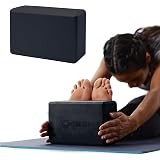
Holding the Butterfly Pose for an extended period, perhaps with support like cushions or blocks under the knees, encourages a more profound state of relaxation. During this time, the parasympathetic nervous system, responsible for ‘rest and digest’ functions, is activated. This activation helps to lower heart rate, reduce blood pressure, and alleviate feelings of anxiety. Many find that regular inclusion of Baddha Konasana in their yoga practice assists in managing everyday stress more effectively. The quiet stillness cultivated in this pose allows for mental decluttering, providing a much-needed respite from the constant demands of daily life and fostering a peaceful internal environment.
Improving Posture and Spinal Alignment
The Butterfly Pose indirectly contributes to better posture and spinal alignment by addressing the root cause of many postural issues: hip tightness. When the hips are tight, the pelvis can tilt backward, leading to a rounded lower back and a slumped upper body. This misalignment often results in discomfort and pain in the back and neck. By releasing tension in the inner thighs and groins, Baddha Konasana allows the pelvis to come into a more neutral position. A neutrally aligned pelvis forms a stable foundation for the spine, enabling it to lengthen naturally and promoting a healthier upright posture.
Imagine the spine stacking effortlessly, segment by segment, creating a sense of lightness and ease. This ideal alignment is more achievable when the supporting structures, particularly the hips, are flexible and balanced. The practice encourages a gentle lifting through the crown of the head, further promoting spinal elongation without excessive effort. For those who spend many hours sitting at a desk, incorporating the Butterfly Pose into their routine can counteract the negative effects of prolonged slouching. Over time, individuals may notice a reduction in back pain and an improved ability to sit or stand tall with greater comfort and confidence.
Incorporating Butterfly Pose into Your Routine
Integrating the Butterfly Pose into your regular self-care or yoga practice is a straightforward process, offering profound benefits for hip flexibility, pelvic floor health, and overall well-being. This pose, also known as Baddha Konasana, is highly adaptable and can be modified to suit various levels of flexibility. For optimal comfort and safety, it is often suggested that a cushion or folded blanket be placed under the sitting bones to elevate the hips. This slight elevation helps to tilt the pelvis forward, making it easier to maintain a straight spine and deepen the stretch in the inner thighs and groins.
Unfolding the Answers: Your Baddha Konasana Q&A
What is the Butterfly Pose?
The Butterfly Pose, also known as Baddha Konasana, is a foundational yoga posture that helps open the hips and is easy to perform.
What are the main benefits of practicing the Butterfly Pose?
The main benefits include improving hip flexibility, supporting pelvic floor health, and helping to calm the nervous system and reduce stress.
How does Butterfly Pose help my hips?
It gently stretches the inner thighs, groins, and hips, which can alleviate stiffness often caused by prolonged sitting and improve overall mobility.
What is the pelvic floor, and how does this pose help it?
The pelvic floor is a group of muscles supporting internal organs. The Butterfly Pose applies a gentle stretch, releasing tension and promoting better blood circulation in this area.
Can the Butterfly Pose help reduce stress?
Yes, it is considered a restorative pose that can help calm the nervous system and release emotional tension stored in the hips, leading to a sense of tranquility.