Targeting full body muscle tension relief, this 15-minute yoga sequence offers profound benefits. The accompanying video guides you through each pose. This guide expands on the physical and mental advantages of these expert-level yoga full body stretches. It details key postures and their physiological impact. Integrating these movements into your routine fosters improved flexibility and reduced soreness. Commit to consistent practice for optimal results.
Understanding Yoga for Tension Relief
Yoga offers a holistic path to alleviating muscle tension. It combines physical postures, breathwork, and mindfulness. This practice targets both superficial and deep muscular layers. It promotes increased circulation, reducing lactic acid buildup. Furthermore, yoga stimulates the parasympathetic nervous system. This shift calms the body’s stress response. Regular engagement mitigates chronic tightness and discomfort.
Deep stretching within yoga releases myofascial restrictions. Fascia, the connective tissue surrounding muscles, can become rigid. These restrictions limit range of motion. Specific yoga poses elongate these tissues effectively. This restores elasticity and fluidity to movement. The practice also enhances proprioception. This improved body awareness allows for better posture and movement patterns.
Breath synchronization (pranayama) is integral to tension release. Conscious breathing deepens the stretch response. It oxygenates muscle tissue more efficiently. Exhales, in particular, signal the body to relax further. This facilitates a deeper release within the pose. Consistent breathwork cultivates a meditative state. This mental calm directly impacts physical relaxation.
The Power of Seated Openers for Mobility
Beginning seated provides a grounded foundation for opening. Neck rotations and gentle tilts release cervical spine tension. These movements address common stiffness from prolonged screen time. Wrist circles alleviate carpal tunnel syndrome symptoms. They enhance forearm and hand flexibility. Waist circles mobilize the lumbar and thoracic spine. This improves spinal articulation and core suppleness.
The seated forward fold, often Paschimottanasana variation, lengthens hamstrings and the entire posterior chain. It requires a neutral spine, hinging from the hips. Leading with the chest prevents spinal rounding. This protects the delicate lumbar region. The focus remains on feeling the stretch, not depth. This approach respects individual anatomical limitations. It prevents overstretching and injury.
Seated twists, like Ardha Matsyendrasana, detoxify and mobilize the spine. They improve spinal rotation and core engagement. Twists massage internal organs, aiding digestion. Remember to lengthen the spine on the inhale. Deepen the twist gently on the exhale. These postures counteract sedentary habits effectively. They restore spinal vitality and flexibility.
Grounding and Opening with Key Asanas
Cat-Cow pose (Marjaryasana-Bitilasana) is fundamental for spinal health. It fluidly warms the entire vertebral column. This movement stimulates cerebrospinal fluid circulation. It enhances spinal flexibility and strength. Synchronizing breath with movement deepens the effect. Inhale for cow, exhale for cat. This sequence prepares the spine for deeper stretches.
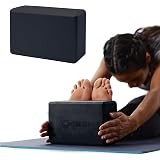
Anahatasana, or Puppy Pose, powerfully opens the shoulders and upper back. It melts the chest towards the mat. Hips remain stacked above the knees. This creates a deep thoracic spine extension. It alleviates kyphosis and improves posture. Use a block under the forehead for comfort. This pose can be intense for tight shoulders. Approach it with gentle awareness.
Sphinx Pose, a gentle backbend, strengthens the lower back. It compresses the lumbar spine mildly. This pose extends the front of the body. It opens the chest and shoulders. Engage the glutes and inner thighs for support. Avoid collapsing into the lower back. This posture counteracts slouching and desk-bound posture. It brings energy and openness to the torso.
Advanced Shoulder and Hip Release Techniques
The open chest and shoulder stretch, lying prone, offers profound release. Extend one arm straight out, wrist aligned with the shoulder. Roll onto the extended arm’s side. This deep pectoral and deltoid stretch can be intense. Modify by bending the top knee or placing the foot for support. This pose targets chronic tension in the shoulder girdle. It dramatically improves arm and chest mobility.
Downward-Facing Dog (Adho Mukha Svanasana) is a full-body invigorator. It lengthens the spine, hamstrings, and calves. It also strengthens the arms and legs. Pressing palms and feet firmly grounds the pose. Keep a generous bend in the knees if hamstrings are tight. This pose inverts the body gently. It calms the nervous system and boosts circulation. Downward-Facing Dog is a cornerstone of yoga practice.
Child’s Pose (Balasana) provides essential rest and introspection. It gently stretches the lower back and hips. This pose calms the brain and relieves stress. Forehead rests on the mat or a block. Hips sink towards the heels. This posture offers a moment of gratitude and reflection. It encourages deep diaphragmatic breathing. Child’s Pose concludes many yoga sequences. It reinforces a sense of peace and integration after the yoga full body stretches.
Unknotting Your Yoga Q&A on Tension and Sore Muscles
What is this 15-minute yoga routine designed to do?
This yoga routine is designed to relieve full-body muscle tension and soreness. It’s a gentle practice that helps improve flexibility and brings a sense of ease to your body.
How does yoga help with muscle tension relief?
Yoga helps by combining physical postures, breathwork, and mindfulness to increase circulation, reduce lactic acid buildup, and calm your body’s stress response. It also targets and releases tightness in deep muscular layers and connective tissues.
Why is breathing important during yoga stretches?
Conscious breathing (pranayama) is integral because it oxygenates muscle tissue, deepens your stretch response, and signals your body to relax further, allowing for a deeper release within each pose.
What are ‘seated openers’ in yoga and what do they help with?
Seated openers are initial yoga poses done while sitting, designed to create a grounded foundation for opening up your body. They help release tension in areas like the neck, wrists, waist, and hamstrings, improving overall mobility.
What is Child’s Pose and why is it used?
Child’s Pose (Balasana) is a resting pose that gently stretches the lower back and hips. It’s used to calm the brain, relieve stress, and provide a moment for reflection and peace, often concluding a yoga sequence.