Many men face challenges with flexibility and mobility. In fact, studies show that many adults experience reduced range of motion. This is especially true for men. The 15-minute total body workout above provides a fantastic starting point. This guide offers a deeper dive into the benefits and techniques. It helps you maximize your “Beginner’s Yoga for Men” practice.
This beginner-friendly routine focuses on building foundational strength. It also enhances mobility and flexibility. You can easily follow along, even with no prior yoga experience. The video emphasizes proper form and modifications. This ensures a safe and effective practice for every body type.
Understanding Beginner’s Yoga for Men
Yoga for men often focuses on specific needs. Men typically exhibit less natural flexibility in certain areas. These areas include hamstrings, hips, and shoulders. This beginner’s routine directly addresses these common tight spots. It uses targeted poses and stretches.
Imagine if your daily movements felt easier. Picture reaching for something without a twinge. This workout helps you unlock that potential. It’s not about becoming a contortionist. It’s about feeling better in your own body.
Essential Props for Your Practice
No special equipment is required for this routine. However, a few common household items can enhance your experience. These props provide support and extend your reach. They make poses more accessible.
- **Strap or Belt:** This helps extend your arms in stretches. It makes overhead reaches more comfortable.
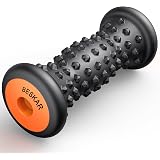
- **Stack of Books or Foam Roller:** Use these for hand support. They bring the floor closer in standing forward folds.
- **Pillow or Cushion:** Place this under your knees. It offers padding during kneeling poses like the low lunge.
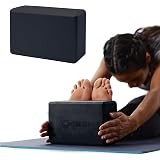
- **Yoga Block:** This is a versatile tool. It supports your head in Child’s Pose. It can also assist with hand placement in Half Lift.
Breaking Down Key Poses for Strength and Mobility
The video covers several fundamental yoga poses. Each pose offers unique benefits. Understanding these benefits can deepen your practice. Let’s explore some in more detail.
Mountain Pose (Tadasana): Your Foundation
The Mountain Pose is more than just standing still. It teaches you proper posture and body awareness. Your feet should be hip-width apart. Weight is centered, not just in your toes.
Imagine a string pulling the crown of your head upward. Your shoulders roll back and down. This posture activates your core muscles. It builds a strong base for all other poses.
Side Bend with Strap: Oblique Strength and Flexibility
This stretch targets your obliques and side body. Holding a strap overhead helps distribute the stretch. It also protects your shoulders. Lean to the right, pressing hips to the left.
Keep your legs active and abs engaged. This isn’t just a passive stretch. You build strength while lengthening your spine. The video suggests holding for “10 more seconds” per side. This short duration is effective for beginners.
Low Lunge (Anjaneyasana): Hip Flexor Focus
The low lunge is excellent for hip flexor flexibility. Tight hip flexors are common for men. This is especially true with sedentary lifestyles. Keep your hips neutral and tailbone reaching down.
Using goal post arms is a modification for tighter shoulders. It opens your chest and improves shoulder mobility. Remember to use a cushion under your back knee if needed. Protecting your joints is crucial.
Low Lunge Twist: Thoracic Mobility and Core Engagement
This twist builds on the low lunge. It targets your thoracic spine. This is the middle part of your back. This area often lacks mobility in men. Keeping hips forward isolates the twist to your torso.
Squeeze your abs as you twist deeper. This protects your lower back. It also strengthens your core. Imagine wringing out a sponge. Your upper back becomes more active and flexible.
Squat Hold (Utkatasana variation): Glute and Hamstring Power
The squat hold challenges your lower body strength. Focus on pulling your butt down and back. Your knees should stay behind your toes. This engages your hamstrings and glutes.
Keeping your back flat prevents lower back strain. Engage your core as if doing a plank. Pretending to squeeze something between your thighs activates inner leg muscles. This builds comprehensive lower body strength.
Half Lift (Ardha Uttanasana) and Forward Fold (Uttanasana): Hamstring Lengthening
These poses are vital for hamstring flexibility. Many men have tight hamstrings. In the Half Lift, flatten your back. Pull your chest forward and up. Your hands rest on your shins or a block.
The Forward Fold deepens this stretch. Bend your knees as much as needed. This prevents rounding your lower back. Focus on making a “sandwich” with your abs and thighs. This ensures a safe and effective stretch for your hamstrings.
Horse Stance (Urdhva Hastasana variation): Inner Thighs and Endurance
This powerful stance builds inner thigh strength and endurance. Turn your toes out 45 degrees. Sink your butt straight down. Your weight should be in your glutes and inner thighs.
Keep your chest up and core engaged. This pose challenges you both physically and mentally. Shifting side to side can deepen the stretch. It’s a fantastic exercise for lower body mobility and strength.
Plank Pose (Phalakasana): Full Body Stability
Plank is a core powerhouse. It strengthens your entire body. Hands are under shoulders, fingers gripping the ground. Pull your chest forward, gaze slightly ahead.
Lift your belly button toward your low back. For more intensity, squeeze hands and feet toward each other. The video suggests holding for “two breaths.” This focused breathing enhances core engagement. Slowly lower yourself down with control.
Cobra Pose (Bhujangasana): Back Strength and Chest Opening
Cobra strengthens your back muscles. It also opens your chest. Press the tops of your feet into the ground. Squeeze your thighs together. Your knees should lift off the ground.
Press the top of your head forward and up. Squeeze elbows in and down. This protects your lower back. If feet cramp, tuck your toes instead. Focus on lengthening your spine, not just arching.
Child’s Pose (Balasana): Rest and Restore
This is a restorative pose. It offers a gentle stretch for your shoulders and back. Knees are wide, big toes touching. Shift your butt back toward your heels.
Walk your arms forward. Relax your forehead to the ground. Use a block if your head doesn’t reach. The goal is a flat back, not a rounded one. This pose helps bring your breathing back to normal. You can stay for “three or six more breaths.”
Beyond the Poses: Integrating Yoga into Your Routine
This 15-minute routine is an excellent start. Consistency is key to seeing results. Try to practice a few times a week. Even short sessions add up over time.
Remember, “if you can focus on strength, the flexibility will follow.” Yoga isn’t just about stretching. It’s about building strength and stability. It improves your overall body awareness. This foundational “Beginner’s Yoga for Men” practice is a powerful tool. It helps you build a more resilient and mobile body.
Unrolling Answers: Your Beginner Yoga for Men Q&A
What is this 15-minute yoga routine designed for?
This routine is a beginner-friendly total body workout for men. It’s designed to help build foundational strength, improve mobility, and increase flexibility.
Do I need any yoga experience to try this workout?
No, this routine is suitable for complete beginners. It focuses on easy-to-follow postures and provides modifications for all body types.
Do I need special equipment to do this yoga practice at home?
No special equipment is required for this routine. However, common household items like a strap, books, or a pillow can be used to make poses more comfortable or accessible.
What are the main benefits of practicing this type of yoga?
This yoga practice helps men address common issues like tight hamstrings, hips, and shoulders. It improves daily movements, builds overall strength and stability, and enhances body awareness.