Embarking on a yoga journey can initially appear daunting, with a myriad of styles, classes, and seemingly unattainable poses, as discussed in the accompanying video featuring Kassandra and Brett. This comprehensive guide aims to demystify the process, offering actionable strategies for yoga beginners to cultivate a sustainable and enjoyable practice from the outset.
Navigating Your Initial Steps in Yoga for Beginners
The aspiration to adopt healthier routines, particularly during periods of self-reflection like the new year, frequently steers individuals toward yoga. While the pursuit of wellness is commendable, the sheer volume of options can overwhelm a novice. Consequently, many prospective yogis may feel intimidated, ultimately deterring them from starting or maintaining a consistent practice. This article elaborates on expert recommendations to simplify your entry into the world of yoga.
Leveraging Digital Resources for Your Beginner Yoga Practice
In this digital age, the internet stands as an unparalleled resource for yoga beginners. Free online yoga classes abound across platforms like YouTube, offering an accessible entry point without the immediate financial commitment of a studio membership. This approach allows individuals to explore various instructors and styles from the comfort of their home, mitigating initial anxieties about physical presence in a studio setting. Indeed, numerous testimonials affirm the efficacy of online resources in fostering and sustaining a new yoga practice for those initially hesitant to join group classes.
Exploring diverse online channels, such as those offered by Kassandra or Brett Larkin Yoga, provides a wealth of instructional content tailored for novices. These digital platforms frequently feature foundational sequences, guided meditations, and detailed explanations of basic asanas, making the learning curve less steep. Furthermore, the flexibility of online classes enables practitioners to integrate yoga into their schedules seamlessly, fostering consistency without external pressures.
Essential Gear for Starting Yoga: Less is More
The perception that yoga necessitates a significant investment in specialized equipment can deter many beginners. However, adopting a minimalist approach to yoga gear is highly advisable. Initially, focus on using items you already possess; comfortable, loose-fitting clothing that permits a full range of motion is perfectly adequate. As Brett aptly notes, practicing in pajamas is a viable option for home sessions, underscoring the principle that comfort and freedom of movement are paramount over expensive attire.
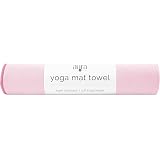
Regarding yoga mats, the experience of both Kassandra and Brett illustrates that costly options are not a prerequisite for starting. Kassandra, for instance, utilized a $5 mat for three years, while Brett began with a $12 mat. While some budget mats may lack durability or grip, they serve as an excellent starting point to gauge your commitment before upgrading. Furthermore, common household items can effectively substitute specialized yoga props. A sturdy hardback book, like a dictionary, can function as a block, and a standard belt can serve as a strap. This strategic approach allows you to discern your preferences and specific needs before investing in higher-end equipment.
Embracing Variety in Your Yoga Journey
One of the most critical insights for yoga beginners is the importance of exploring different yoga styles. The vast landscape of yoga encompasses practices such as Kundalini, Power, Hatha, Vinyasa Flow, Yin, Restorative, and Prenatal, each offering distinct benefits and experiences. A common pitfall for newcomers is to attend a single class, dislike the particular style, and subsequently conclude that yoga is not for them. This premature dismissal often prevents individuals from discovering a style that genuinely resonates with their body and mind.
To counteract this, actively engage with a variety of styles. Kassandra suggests trying at least five different approaches, such as Hatha, Vinyasa Flow, Yin, Restorative, and Power, to gain a well-rounded understanding of yoga’s breadth. For instance, Yin and Restorative yoga prioritize passive stretches and relaxation, ideal for improving flexibility and reducing stress. Conversely, Vinyasa Flow and Power yoga emphasize dynamic movements and strength building. Hatha yoga typically offers a balanced pace, focusing on fundamental postures with holds. By experiencing these diverse modalities, practitioners can discern what aligns with their physical capabilities, energetic requirements, and personal wellness objectives, thereby fostering a more enduring connection to the practice.
Cultivating a Mindful Beginner Yoga Practice
In an era dominated by social media, it is easy for yoga beginners to fall into the trap of comparison. Observing advanced practitioners execute complex arm balances or inversions can be discouraging, leading to the false impression that such feats define yoga. However, yoga encompasses a broad spectrum of practices, including meditation, pranayama (breathing exercises), and fundamental postures accessible to everyone. The initial stages of yoga are about fostering self-awareness and connecting with your body’s sensations, rather than achieving specific aesthetic poses.
Embrace the status of a beginner as a remarkable opportunity for growth. Focus intently on how each posture feels in your unique body, rather than how it appears. As Brett emphasizes, “There is no right or wrong” in yoga; the internal experience of the pose holds greater significance than its external perfection. Drawing from a personal background in dance, Kassandra recounts her initial struggle with alignment-focused self-assessment, highlighting the shift in yoga towards an internal, breath-centric awareness. Consequently, direct your attention inward, prioritize your well-being, and liberate yourself from external comparisons. This internal focus is pivotal for developing a profound and personal yoga practice.
Transitioning to Studio Classes: A Supported Approach
While online resources provide an excellent starting point, attending in-person studio classes offers unique benefits, including direct instruction and a sense of community. The transition from home practice to a studio can still feel intimidating, particularly if one perceives a class full of advanced yogis. To ease this transition, consider bringing a friend or “buddy” to your first studio class, as Kassandra recommends. This shared experience can significantly reduce feelings of self-consciousness and make the environment more welcoming.
Furthermore, an invaluable “pro tip” for studio newcomers is to inform the instructor of your beginner status and, if comfortable, express a willingness to receive hands-on adjustments. Many teachers, including Brett, appreciate this proactive communication, as it enables them to provide tailored guidance and physical assistance, deepening your understanding of alignment and sensation within poses. Such direct interaction enhances the learning process and solidifies your foundation as a yoga beginner.
Finding Your Flow: Your Yoga Questions Answered
What’s a good way for a beginner to start practicing yoga without spending a lot of money?
You can start with free online yoga classes available on platforms like YouTube. This lets you explore different instructors and styles from home without an immediate financial commitment.
Do I need to buy special equipment to begin practicing yoga?
No, you don’t. You can start with comfortable, loose-fitting clothing you already own and a budget-friendly yoga mat. Common household items like books or belts can also substitute for specialized props.
What if I don’t enjoy the first yoga style I try?
It’s important to try various yoga styles like Hatha, Vinyasa Flow, Yin, or Restorative, as each offers different benefits. Don’t get discouraged after one class; exploring several styles will help you find what truly suits you.
How should I approach yoga as a beginner without comparing myself to others?
Focus on how each posture feels in your own body and connect with your breath, rather than how it looks or comparing yourself to advanced practitioners. Yoga is about internal self-awareness and growth, not external perfection.