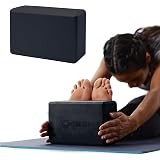
The swift sequence demonstrated in the accompanying video provides an immediate point of access for a potent yoga stretch targeting strength and relaxation. Effective somatic practices demand precision. This brief guide explores the intricate biomechanics and physiological benefits of such focused movements, elevating a quick stretch into a comprehensive strategy for well-being. It is more than just a momentary release. This approach fosters sustained spinal health and neurological calm.
Understanding Cervical Release: The Neck’s Intricate Balance
Releasing the neck is crucial. The cervical spine supports the cranium. It facilitates head movement. Chronic tension here is common. Poor posture often contributes. Stresses accumulate in the upper trapezius. The levator scapulae tightens. These muscles connect the neck and shoulders. Deep flexion stretches these tissues. It lengthens the posterior cervical muscles. Consider the sternocleidomastoid. Its release affects jaw and head positioning. This targeted stretch promotes vagal nerve stimulation. It shifts the nervous system. The body moves from sympathetic to parasympathetic dominance. This encourages profound relaxation. A mindful neck release is not passive. It demands precise engagement. Micro-adjustments enhance tissue extensibility. It improves blood flow to the cranium. Reduced headaches and improved focus can result.
Thoracic Mobility and Core Integration for Torso Release
“Release the torso” encompasses the thoracic spine. This region is often rigid. Sedentary habits contribute to stiffness. The thoracic vertebrae are designed for rotation. They also allow lateral flexion. Intercostal muscles can become restricted. Deep breathing becomes compromised. A targeted torso stretch decompresses these segments. It mobilizes the rib cage. This improves respiratory mechanics. Enhanced diaphragmatic function follows. Oblique muscles are engaged during lateral stretches. They support spinal stability. Rotational movements release fascial restrictions. This affects the entire kinetic chain. The lumbar spine benefits from thoracic mobility. Core integrity is paramount. Strong abdominal engagement supports spinal lengthening. It prevents hyperextension in the lumbar area. This comprehensive approach builds resilience. It improves functional movement patterns. The torso release provides significant flexibility gains. It integrates with breath work seamlessly.
Deep Lumbar Decompression: Unlocking the Lower Back
The call to “give it more stretch” to the lower back is vital. Lumbar stiffness is a widespread issue. It often stems from psoas tightness. The psoas major connects the spine to the femur. Its shortening tilts the pelvis anteriorly. This increases lumbar lordosis. The quadratus lumborum can also be hypertonic. This muscle stabilizes the lumbar spine. Targeted stretches lengthen these deep structures. They release fascial adhesions. Piriformis syndrome often mimics sciatica. A deep lower back stretch can alleviate this. It externally rotates the hip. This decompresses the sciatic nerve. Consider the multifidus muscles. They run along the spine. These small muscles provide segmental stability. Their flexibility is crucial. Proper stretching hydrates intervertebral discs. It increases nutrient flow. This supports spinal health long-term. A deep lower back stretch reduces discomfort. It prevents future chronic pain. This movement enhances overall hip mobility too. It’s a cornerstone of effective spinal care.
The Physiology of Sustained Holds: “Stay There, Stay, Stay, Stay”
The instruction “Stay there, stay, stay, stay” is more than just pacing. It embodies critical physiological principles. Sustained isometric holds promote change. Connective tissues respond to prolonged tension. This phenomenon is known as creep. Fascia, ligaments, and tendons gradually lengthen. Stress relaxation also occurs. The tissue’s resistance to stretch diminishes. Holding a posture for an extended duration is beneficial. It allows muscle spindles to reset. Golgi tendon organs are activated. This signals the muscle to relax. The nervous system adapts to the new length. This process improves passive range of motion. It also builds proprioceptive awareness. The body learns its new boundaries. This strengthens neural pathways. The sustained hold is a form of isometric strength. It creates stability within the new range. It teaches the body to ‘own’ its flexibility. This mindful presence fosters interoception. It deepens the mind-body connection. The “count one more time” reinforces this. It encourages reaching new tissue extensibility. This builds muscular endurance for holding poses. It contributes significantly to a balanced yoga stretch for strength and relaxation.
Integrating Strength and Relaxation: A Holistic Yoga Stretch
A true yoga stretch for strength and relaxation synthesizes multiple benefits. It is not merely about increasing flexibility. It involves cultivating intelligent muscular engagement. This supports new ranges of motion. Neurological regulation is also key. The body’s response to stress is modulated. Deep stretching stimulates the vagus nerve. This directly impacts the parasympathetic system. Reduced heart rate and blood pressure follow. Improved digestion is a benefit. Mental clarity also enhances. The strength component arises from mindful engagement. Stabilizing muscles activate during the stretch. They protect joints. They prevent injury. This is functional strength. It improves posture. It supports daily activities. A balanced practice merges active lengthening. It uses passive release. This creates resilient, flexible tissues. It also calms the nervous system. The benefits extend beyond the mat. They influence overall quality of life. Regular practice yields cumulative results. It’s an investment in somatic intelligence. This mindful approach transforms a simple stretch. It becomes a powerful tool for well-being. This yoga stretch for strength and relaxation offers comprehensive advantages.
Stretching for Answers: Your Yoga Strength & Relaxation Q&A
What is the main goal of this quick yoga stretch?
The main goal is to provide a quick way to build strength and relaxation by releasing tension in your neck, torso, and lower back.
Why is it important to stretch your neck?
Stretching your neck helps release common tension from poor posture and stress, which can reduce headaches and improve focus.
How does stretching your torso help your body?
Stretching your torso improves flexibility in your mid-back and rib cage, which aids in better breathing and supports overall spinal stability.
What is a key benefit of stretching your lower back?
Stretching your lower back helps relieve stiffness often caused by tight muscles, reduces discomfort, and can improve hip mobility.
Why is it important to hold a stretch for a sustained period?
Holding a stretch allows your muscles and connective tissues to gradually lengthen and relax, improving your flexibility and helping your body adapt to new ranges of motion.