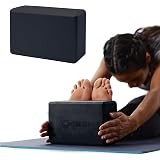
This accompanying article expands on the beneficial practice of restorative yoga for stress relief, as demonstrated in the video above. Engaging in restorative yoga is a powerful method for cultivating deep relaxation and easing the burdens of daily stress. This gentle approach helps release both physical tension and mental anxieties, promoting a profound sense of calm throughout your entire being.
Restorative yoga practices focus on supporting your body with props, allowing you to hold poses for extended periods. This passive approach encourages the nervous system to shift into a state of rest and digest, which is essential for healing and stress reduction. These techniques are accessible to everyone, regardless of prior yoga experience, making them an excellent choice for a wide audience seeking tranquility.
Understanding Restorative Yoga for Stress Relief
Restorative yoga stands apart from more active yoga styles by emphasizing relaxation and rejuvenation. Instead of building strength or increasing flexibility through strenuous effort, it invites your body to soften and release. The primary goal is to activate the parasympathetic nervous system, which is responsible for calming the body and mind after a stressful event.
Practitioners often use props such as blankets, bolsters, and blocks to support the body completely in various postures. This support ensures comfort and prevents muscle strain, allowing for deeper relaxation. The extended holds in these supported poses signal to your brain that you are safe, consequently reducing cortisol levels and mitigating the physiological effects of stress.
Key Benefits of Gentle Yoga Practice
Incorporating stress relief yoga into your routine offers numerous advantages for both mental and physical health. This gentle practice helps quiet the incessant chatter of the mind, fostering mental clarity and emotional balance. You learn to observe thoughts without judgment, a fundamental aspect of mindfulness.
Physically, restorative yoga alleviates chronic muscle tension, particularly in areas like the neck, shoulders, and hips. It also improves flexibility subtly over time and enhances body awareness, helping you identify and release areas of hidden stress. Furthermore, consistent practice can improve sleep quality, bolster the immune system, and promote a general sense of well-being.
Essential Poses for Deep Relaxation
The practice shown in the video highlights several effective restorative poses, each designed to elicit profound relaxation. These postures utilize gravity and props to gently open the body and calm the nervous system. Understanding the intention behind each pose enhances its benefits for your well-being.
Belly-Down Savasana: Grounding and Release
Beginning a restorative sequence with Belly-Down Savasana immediately establishes a sense of grounding and support. This pose allows the belly and chest to press gently into the floor, creating a subtle massage for the internal organs and spine. This position actively encourages the release of tension in the back and hips.
By resting one side of your face on the mat, you promote relaxation in the jaw and facial muscles, which often hold unconscious tension. Focusing on the breath expanding into the earth enhances feelings of security and comfort. This simple yet powerful posture sets the stage for deep stress relief yoga work.
Child’s Pose (Balasana): Surrender and Calm
Child’s Pose is a universally comforting posture that symbolizes surrender and introspection. Resting your forehead on the mat calms the brain and helps to alleviate stress and anxiety. The gentle compression in the hips and lengthening of the spine provide a soothing stretch.
The addition of a gentle twist in Child’s Pose further enhances its benefits by releasing tension along the spine and shoulders. This variation encourages detoxification and promotes greater spinal mobility, contributing to an overall sense of lightness and ease. Breathing into the sides of your body in this pose expands the rib cage, facilitating deeper relaxation.
Downward-Facing Dog (Adho Mukha Svanasana) and Rag Doll Pose: Releasing Inversion
Downward-Facing Dog acts as a mild inversion, which can be incredibly rejuvenating and stress-reducing. By allowing the head to hang heavy below the heart, you encourage fresh blood flow to the brain, calming the nervous system. Keeping a micro bend in the knees can make this pose more accessible and supportive for your hamstrings.
Transitioning into Rag Doll Pose from Downward Dog deepens the release in the spine and neck. Bending the knees generously allows the belly to rest on the thighs, supporting the lower back and promoting a complete surrender of the upper body. Shaking your head gently from side to side releases tension stored in the neck and jaw, enhancing overall relaxation.
Pigeon Pose Variation: Hip Opening for Emotional Release
The pigeon pose variation, introduced by drawing the knee towards the elbow and extending the back leg, is a profound hip opener. The hips are known to store emotional tension and stress, so gently opening them can lead to significant emotional release. Supporting the forehead on a prop, such as a block or pillow, allows for complete relaxation of the upper body.
This posture specifically targets the outer hip of the bent leg and the hip flexor of the extended leg. Deep stretches in these areas encourage stored energy to dissipate, fostering a sense of lightness and emotional freedom. Remaining in this pose for an extended period, focusing on deep breaths, significantly enhances its therapeutic effects.
Butterfly Pose (Baddha Konasana): Gentle Hips and Neck Stretches
Butterfly Pose offers a gentle opening for the inner thighs and hips, which can be particularly tight from prolonged sitting. Creating a diamond shape with the legs and allowing the knees to fall out to the sides promotes a relaxed stretch. Lengthening the spine initially helps to maintain good posture before folding forward.
Incorporating gentle neck stretches in this pose further enhances its stress relief yoga properties. Tilting the ear towards the shoulder and drawing the chin to the chest releases stiffness in the cervical spine. Folding forward in Butterfly Pose, with the head relaxed towards the feet, deepens the hip stretch while calming the mind and encouraging introspection.
The Role of Props and Mindfulness in Restorative Practice
Props are not merely accessories in restorative yoga; they are integral to achieving the desired depth of relaxation. A yoga block or a pillow, as recommended in the video, provides crucial support, enabling your muscles to fully release rather than engage in effort. When the body feels completely supported, it can truly let go of tension.
Mindfulness, particularly through conscious breathing, serves as the anchor for any restorative practice. By actively noticing the expansion and contraction of your breath, you draw your awareness away from external distractions and internal anxieties. This deliberate attention to the present moment helps to settle the mind, fostering a profound sense of inner peace and calm. Giving yourself permission to let go of tension with each exhale is a key aspect of this mindful approach.
Enhancing Your Practice with Aromatherapy
Aromatherapy complements restorative yoga for stress relief by engaging another powerful sense: smell. Certain essential oils possess properties that directly influence mood and relaxation. The video highlights Happy Haves, a holistic wellness brand that offers eco-friendly aromatherapy products designed to enhance your peaceful environment.
Happy Haves provides 100% pure and organically farmed essential oils, which are non-toxic, paraben, and sulfate-free. Their Earth diffuser, for example, creates a soothing atmosphere, helping to deepen your relaxation during yoga or simply throughout your day. Lavender essential oil, specifically mentioned in the video, is widely recognized for its calming and stress-reducing properties, making it an excellent choice for a restorative practice.
Simple Steps to Integrate Aromatherapy
Integrating aromatherapy into your stress relief yoga practice is a straightforward process. First, ensure your diffuser is clean and accessible. Next, fill the measuring cup with clean, filtered water, then pour it into the diffuser reservoir. The third step involves selecting your preferred essential oil; lavender is a popular choice for relaxation due to its calming aroma.
After choosing your oil, add three to four drops into the water within the diffuser. Finally, replace the lid, turn on your diffuser, and allow the natural, fresh scent to permeate your space. This simple addition can significantly deepen your experience of calm and contribute to an even more effective restorative yoga for stress relief session.
Unwinding Your Worries: Restorative Yoga Q&A
What is restorative yoga?
Restorative yoga is a gentle style of yoga that focuses on deep relaxation by supporting your body with props, allowing you to hold poses for extended periods without effort. It aims to calm your nervous system and release physical and mental tension.
How does restorative yoga help reduce stress?
It helps by activating your parasympathetic nervous system, which is responsible for calming the body and mind after stressful events. This process reduces cortisol levels and mitigates the physiological effects of stress, promoting a profound sense of calm.
Do I need prior yoga experience or special equipment to practice restorative yoga?
No, restorative yoga is accessible to everyone, regardless of prior experience. You’ll typically use props like blankets, bolsters, and blocks to fully support your body, ensuring comfort and deep relaxation.
What are some key benefits of practicing gentle restorative yoga?
This practice helps quiet the mind, foster mental clarity, and alleviate chronic muscle tension in areas like the neck and shoulders. It can also improve sleep quality and promote a general sense of well-being.