In our hyper-connected, fast-paced world, stress has become an unwelcome constant. The persistent hum of deadlines, digital notifications, and daily pressures can leave us feeling frazzled, disconnected, and perpetually on edge. Chronic stress doesn’t just affect our minds; it manifests physically, tightening muscles, disrupting sleep, and impacting overall well-being. But what if there was a powerful, ancient practice designed to counteract these modern afflictions?
The accompanying video beautifully illustrates the visual essence of various yoga poses, offering a tranquil backdrop to the profound journey of stress relief. This isn’t just about bending your body; it’s about bending your perception of stress itself. **Stress-relief yoga** provides a holistic antidote, harmonizing the mind, body, and spirit to cultivate a deep sense of inner calm.
The Deep Efficacy of Stress-Relief Yoga: Beyond the Mat
Yoga, at its core, is a sophisticated system for regulating the human organism. It’s more than physical exercise; it’s a psycho-physiological intervention. When we encounter stress, our sympathetic nervous system—the body’s ‘fight or flight’ response—activates. This floods our system with hormones like cortisol and adrenaline, elevating heart rate, tensing muscles, and sharpening our senses. While essential for acute threats, prolonged activation is detrimental, leading to inflammation, compromised immunity, and mental fatigue.
Yoga systematically engages the parasympathetic nervous system, initiating the ‘rest and digest’ response. It’s like gently applying the brakes to a speeding vehicle, allowing the system to decelerate and rebalance. This deliberate shift in autonomic nervous system function is the bedrock of yoga’s effectiveness in mitigating stress.
Asana: Sculpting Calm Through Movement
The physical postures, or *asanas*, are often the most recognized aspect of yoga. Yet, their role extends far beyond mere flexibility or strength. Asanas are tools for cultivating *pratyahara*—the withdrawal of the senses—and developing profound body awareness. Think of chronic tension in the body as a tightly coiled spring, storing kinetic energy that contributes to our internal agitation. Through specific asanas, we gently uncoil this spring, releasing stored physical and emotional stress.
Gentle Flows and Restorative Poses
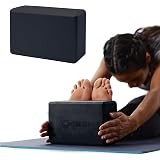
For stress relief, the emphasis shifts from vigorous, power-based sequences to more introspective, grounding practices. Restorative poses, in particular, are exceptional stress busters. They often involve props like bolsters, blankets, and blocks to support the body, allowing for passive stretching and deep relaxation. Poses like Viparita Karani (Legs-Up-the-Wall) or Savasana (Corpse Pose) with supported back offer profound calm, signaling safety to the nervous system.
Gentle flow sequences, linking breath to movement, also offer immense benefits. Moving through a series like Cat-Cow (Marjaryasana-Bitilasana) or a slow Sun Salutation helps to lubricate joints, improve circulation, and release muscular knots, all while maintaining a steady, rhythmic breath. Postures like Balasana (Child’s Pose) or Adho Mukha Svanasana (Downward-Facing Dog) provide a sense of grounding and introspection, drawing awareness inward away from external stressors.
Pranayama: The Art of Mindful Respiration
If the body is the vehicle, then the breath, or *prana*, is its engine—and the *pranayama* (breathing techniques) are the controls. The quality of our breath directly mirrors our internal state. Shallow, rapid breathing often accompanies stress and anxiety; deep, slow breathing is indicative of calm and relaxation. By consciously manipulating the breath, we gain a direct pathway to influence our autonomic nervous system.
Consider your breath as the rudder of a ship, capable of steering your internal state. A calm, steady rudder keeps the vessel on course, even through turbulent waters. Practicing pranayama helps to slow the heart rate, lower blood pressure, and increase vagal tone, which is crucial for initiating the parasympathetic response. This isn’t just theory; it’s tangible neurophysiological regulation.
Key Breathing Techniques for Stress Reduction
- Ujjayi Breath (Victorious Breath): Creates a soft, audible sound in the back of the throat, resembling ocean waves. This consistent, rhythmic sound helps to focus the mind and lengthen both inhale and exhale, promoting relaxation.
- Nadi Shodhana (Alternate Nostril Breathing): A balancing pranayama that purifies the energy channels. By alternating breaths between the left and right nostrils, it helps to balance the hemispheres of the brain and calm the nervous system, alleviating anxiety.
- Dirga Pranayama (Three-Part Breath): A foundational practice involving filling the abdomen, ribs, and chest sequentially. This deep, diaphragmatic breathing maximizes lung capacity and sends clear signals of safety and relaxation to the brain.
Dhyana: Cultivating Inner Stillness Through Meditation
The practice of *dhyana*, or meditation, is an inherent part of yoga, not an optional add-on. While asanas prepare the body and pranayama steadies the breath, dhyana cultivates mental clarity and emotional regulation. Our minds are often like a turbulent ocean surface, constantly churned by thoughts, worries, and external stimuli. Meditation teaches us to find the calm, deep waters beneath the surface, where true tranquility resides.
This isn’t about emptying the mind, but rather observing its contents without judgment. Through sustained focus (*dharana*), we train the mind to stay present, rather than dwelling on past regrets or future anxieties. This present-moment awareness is a potent tool against the pervasive nature of stress.
Integrating Mindfulness and Meditation
Even short periods of meditation can significantly impact stress levels. A simple body scan, where you systematically bring awareness to different parts of your body, can release stored tension. Focused awareness on the breath, without altering it, is another powerful meditative technique. Regular integration of these practices helps to rewire neural pathways, building resilience and enhancing our capacity to respond to stressors with greater equanimity.
Forging the Mind-Body Connection for Lasting Calm
Ultimately, **stress-relief yoga** provides a comprehensive framework for forging a resilient mind-body connection. The synergy of asana, pranayama, and dhyana creates a powerful feedback loop. When the body is relaxed, the breath naturally deepens. When the breath is steady, the mind becomes clearer. This holistic approach doesn’t just manage stress; it cultivates an inherent state of peace and self-awareness.
Regular practice builds a robust internal buffer against the external pressures of daily life. It’s an investment in your mental and physical well-being, enhancing your ability to navigate challenges with grace and calm.
Integrating Stress-Relief Yoga into Your Daily Rhythm
You don’t need hours on the mat to reap the benefits. Even 10-15 minutes of dedicated practice can make a profound difference. Start with gentle movements, integrate intentional breathing, and conclude with a few moments of silent introspection. Listen to your body, honoring its cues and limitations. The consistency of practice is far more impactful than its duration. Let **stress-relief yoga** be your anchor in a sea of demands, a deliberate pause that empowers you to respond to life with greater clarity and peace.
Finding Your Center: Your Stress-Relief Yoga Q&A for Mind-Body Balance
What is stress-relief yoga?
Stress-relief yoga is a holistic practice that uses poses, breathing exercises, and meditation to help balance your mind and body. It aims to cultivate a deep sense of inner calm and counteract the effects of daily stress.
How does yoga help reduce stress in the body?
Yoga helps reduce stress by activating your body’s ‘rest and digest’ response, called the parasympathetic nervous system. This system helps slow your heart rate, lower blood pressure, and rebalance your body after stress.
What are the main components of a stress-relief yoga practice?
A stress-relief yoga practice typically includes three main parts: physical postures (asanas), breathing techniques (pranayama), and meditation (dhyana). These elements work together to calm your mind and body.
What types of yoga poses are good for relieving stress?
For stress relief, gentle flows and restorative poses are particularly effective. Restorative poses often use props like bolsters and blankets to support your body, allowing for deep relaxation and releasing stored tension.
How much time do I need to practice stress-relief yoga to feel the benefits?
You don’t need a lot of time; even 10-15 minutes of consistent practice each day can make a profound difference. The key is to integrate it regularly into your daily routine.