Tailbone pain, medically termed coccydynia, presents a significant debilitating challenge for many. The video above offers a practical, simple stretch. This exercise specifically targets the coccyx region. It provides a foundational approach to managing this discomfort. Our discussion expands on this valuable technique. We explore the deeper physiological aspects of tailbone pain. Understanding its complexities is crucial.
Deciphering Coccydynia: A Deep Dive into Tailbone Pain
Coccydynia manifests as persistent pain. It localizes to the coccyx, or tailbone. This small bone sits at the base of the spine. It is a critical attachment point. Various ligaments and muscles connect here. Injury or inflammation causes significant discomfort. Sitting often exacerbates symptoms. Daily activities become arduous tasks.
The coccyx itself comprises fused vertebral segments. It forms a triangular structure. The sacrococcygeal joint connects it to the sacrum. This joint allows limited movement. Trauma often initiates coccydynia. Falls directly onto the buttocks are common causes. Childbirth can also lead to injury. Repetitive strain from poor posture contributes significantly. Ligamentous laxity may also play a role. Inflammation of the surrounding soft tissues is frequent. Identifying the root cause is paramount.
Imagine enduring constant throbbing. Every seated movement triggers sharp pain. This is the reality for coccydynia sufferers. The condition impacts quality of life. Work productivity diminishes. Social engagement becomes difficult. Seeking appropriate interventions is essential. Conservative management often proves effective.
The Therapeutic Mechanism of the Child’s Pose for Coccyx Relief
The child’s pose, or Balasana, offers profound benefits. It gently stretches the lower back. This posture creates space in the pelvis. It elongates the spinal column. Pelvic floor muscles often tighten with coccydynia. This stretch helps to relax these muscles. Tension around the tailbone decreases. It promotes sacral decompression.
This pose influences several key structures. The sacrotuberous and sacrospinous ligaments relax. These ligaments attach to the coccyx. Their release reduces compressive forces. Gluteal muscles also find relief. Many of these muscles originate near the coccyx. A reduction in muscle spasm is observed. This directly alleviates coccyx pain. Improved blood flow to the area is also a benefit.
Imagine relief washing over the lower spine. The child’s pose facilitates this sensation. It encourages a natural spinal alignment. This reduces pressure on the coccyx. It provides a passive yet powerful stretch. This makes it suitable for acute conditions. Consistent practice yields noticeable improvements.
Mastering the Technique: Optimizing the Stretch for Tailbone Discomfort
Executing the child’s pose correctly is vital. Begin on all fours. Ensure your hands align under your shoulders. Your knees should sit under your hips. This provides a stable base. Next, slowly sit your hips back onto your heels. Your big toes can touch. Your knees can be together or wide. Widen them for more space. This allows your torso to drop between them.
Gently lower your forehead to the floor. Extend your arms forward. Alternatively, bring your elbows down to the floor. Rest your arms alongside your body. This allows for deep relaxation. Focus on your breathing. Inhale deeply, exhale completely. Allow gravity to do its work. Hold this position for 15 seconds. This duration allows soft tissues to lengthen. Repeat this sequence 3-5 times a day. Consistency is key for lasting relief.
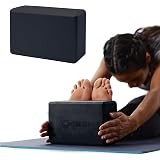
**Important Safety Precaution:** Always stop if any movement causes increased tailbone pain. Listen to your body’s signals. Pain indicates a need to cease. Pushing through pain can exacerbate injury. Modifying the pose is also an option. Place a cushion between your hips and heels. This can reduce pressure. Use a pillow under your forehead. This enhances comfort. Proper form ensures maximum therapeutic effect.
Holistic Approaches to Managing Persistent Tailbone Pain
Beyond isolated stretches, comprehensive management is essential. Postural considerations are paramount. Ergonomic seating can make a difference. Utilize a coccyx cushion. These specialized cushions redistribute pressure. They create a void for the tailbone. This minimizes direct contact stress. Avoid prolonged sitting on hard surfaces. Breaks from sitting are also highly recommended.
Strengthening exercises also play a role. Core stability is crucial. Weak core muscles can alter spinal mechanics. Pelvic floor muscle dysfunction is often linked. A qualified physical therapist can guide these exercises. They can assess individual needs. They design targeted strengthening programs. This promotes long-term stability. It helps prevent recurrence of coccyx pain.
Inflammation management is another critical component. Apply ice packs to the area. Use heat packs to promote blood flow. Non-steroidal anti-inflammatory drugs (NSAIDs) may offer relief. Consult your physician regarding medication use. Other modalities like manual therapy are beneficial. Osteopathic manipulation or chiropractic care can align structures. Acupuncture may also reduce pain levels. Imagine a recovery plan tailored to your specific needs.
Navigating Coccydynia: When Expert Medical Guidance is Essential
While self-care techniques are valuable, they have limitations. The video explicitly states a disclaimer. This is a recommendation, not medical advice. Always consult a doctor first. Persistent or worsening tailbone pain warrants professional evaluation. Pain that restricts daily functions needs attention. Neurological symptoms are a red flag. These include numbness or tingling. Early diagnosis prevents chronic issues. It ensures appropriate treatment pathways.
A physician can rule out serious conditions. Imaging studies may be necessary. X-rays can identify fractures or dislocations. MRI scans reveal soft tissue injuries. They detect inflammation or tumors. Treatment options range widely. Injections of corticosteroids reduce local inflammation. Physical therapy provides structured rehabilitation. In rare, severe cases, surgical intervention is considered. This involves coccygectomy, or tailbone removal. Such extreme measures are typically a last resort. Always seek professional advice for tailbone pain.
Tailbone Troubles? Your Questions Answered
What is tailbone pain called, and where is it located?
Tailbone pain is medically known as coccydynia. It’s a persistent pain localized to the coccyx, which is a small bone found at the very bottom of your spine.
What simple stretch can help relieve tailbone pain?
The Child’s Pose, or Balasana, is a simple yoga stretch that can help. It gently stretches your lower back and creates space in your pelvis, helping to ease tension around the tailbone.
How do I perform the Child’s Pose for tailbone relief?
Begin on your hands and knees, then slowly sit your hips back onto your heels and lower your forehead to the floor. You can extend your arms forward or rest them beside your body.
When should I consult a doctor for tailbone pain?
Always talk to a doctor before starting any new treatment. You should seek medical advice if your tailbone pain is persistent, gets worse, or if you experience numbness or tingling.