Starting a yoga journey is a rewarding path towards improved physical and mental well-being. The video above offers a glimpse into some fundamental poses, and for those ready to delve deeper, understanding the foundational aspects of yoga for beginners can be incredibly beneficial. Yoga practice is often considered an excellent way to enhance flexibility, build strength, and foster a sense of calm.
Essential Yoga Poses for Beginners: Building a Strong Foundation
For individuals new to yoga, selecting poses that are accessible and beneficial is key. These foundational poses are commonly recommended to help build strength, improve flexibility, and introduce proper alignment principles without overwhelming the body. Mastering these beginner yoga poses sets the stage for a more advanced practice down the line.
1. Mountain Pose (Tadasana)
The Mountain Pose is often the starting point for all standing poses in yoga, though it may seem simple. It establishes the foundation for good posture and body awareness, encouraging an understanding of how one’s weight is distributed and how the body aligns from feet to head. This pose is performed by standing tall with feet together or hip-width apart, arms by the sides, and spine lengthened.
- **Benefits:** This pose is instrumental in improving posture and strengthening the thighs, knees, and ankles. A sense of grounding and balance is also cultivated.
- **How to Practice:** While standing, the shoulders are typically relaxed down, away from the ears, and the core is subtly engaged. The gaze is generally directed forward, fostering mental clarity.
2. Downward-Facing Dog (Adho Mukha Svanasana)
Downward-Facing Dog is a comprehensive pose that lengthens the entire body, from the heels to the wrists. It is frequently used as a resting pose during more dynamic sequences. This inverted shape gently inverts the body, which can be particularly calming for the nervous system.
- **Benefits:** Significant stretching is provided to the shoulders, hamstrings, and calves, while arm and leg strength are increased. Blood flow to the brain is also encouraged.
- **How to Practice:** From a tabletop position, the hips are lifted towards the sky, forming an inverted ‘V’ shape with the body. The hands are pressed firmly into the mat, and the heels are gently encouraged towards the floor, though they don’t have to touch.
3. Warrior II (Virabhadrasana II)
Warrior II is a powerful standing pose that builds heat and strengthens the legs and core. It is often celebrated for its ability to cultivate concentration and inner strength. This pose requires stability and an open hip alignment.
- **Benefits:** Strengthens the legs and ankles while also opening the hips and chest. Stamina is built through sustained holding of the pose.
- **How to Practice:** One foot is turned out 90 degrees, with the knee bent directly over the ankle, while the back foot remains parallel to the back edge of the mat. The arms are extended parallel to the floor, with the gaze directed over the front fingertips.
4. Triangle Pose (Trikonasana)
Triangle Pose is a fantastic side-body stretch and a hip opener that strengthens the legs and core. It is often appreciated for its ability to improve balance and extend the spine. This pose helps to lengthen the side of the body, creating space and flexibility.
- **Benefits:** This pose is effective for stretching the hips, groins, hamstrings, and calves, while strengthening the legs, knees, and ankles. Digestion is also sometimes improved.
- **How to Practice:** With feet wide apart, one foot is turned out 90 degrees, and the other slightly in. The front arm reaches forward before the torso tilts down, with the hand resting on the shin, ankle, or floor. The other arm reaches towards the sky.
5. Tree Pose (Vrksasana)
Tree Pose is a balancing pose that enhances stability and focus. It can be modified significantly to suit individual balance levels, making it accessible to most beginners. This pose symbolizes grounding and growth, reflecting the stability of a tree.
- **Benefits:** Balance and stability are improved, and the thighs, calves, ankles, and spine are strengthened. Concentration and mental focus are also sharpened.
- **How to Practice:** While standing, one foot is placed on the inner thigh, calf, or ankle of the standing leg (avoiding the knee). The hands can be brought to heart center, and a steady gaze on a fixed point aids balance.
6. Child’s Pose (Balasana)
Child’s Pose is a gentle, restorative pose that is excellent for relaxation and de-stressing. It provides a soothing stretch for the back and hips and is often used as a resting position during any yoga practice. This pose offers a safe and comforting space to return to at any time.
- **Benefits:** The hips, thighs, and ankles are gently stretched, while stress and fatigue are relieved. The nervous system is calmed, and a sense of introspection is encouraged.
- **How to Practice:** Kneel on the mat with big toes touching, and spread the knees as wide as comfortable. The torso is then folded forward, resting on the thighs, with the forehead resting on the mat. The arms can extend forward or rest by the sides of the body.
Starting Your Beginner Yoga Journey: Tips for Success
Embarking on a yoga practice involves more than just learning poses; it also includes developing a mindful approach. For yoga beginners, integrating these practices safely and effectively is paramount. A consistent routine, even a short one, can lead to significant improvements over time.
Embracing Modifications and Props
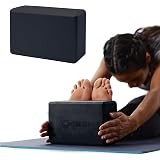
Modifications are considered essential tools that allow individuals to safely access poses regardless of their current flexibility or strength. Blocks, straps, and blankets are commonly used to support and deepen a pose. For example, a block can be placed under the hand in Triangle Pose to bring the floor closer, or a strap can be used to extend the reach in seated forward folds.
Listening to Your Body
A fundamental principle in yoga is to honor one’s body and avoid pushing into pain. Each day, the body feels different, and what was accessible yesterday may not be today. Discomfort is part of stretching, but sharp pain signals that an adjustment is needed or the pose should be exited. This mindful approach to movement is often considered a hallmark of a sustainable yoga practice.
Establishing a Consistent Practice
Consistency is typically more important than duration when it comes to developing a yoga practice. Even short sessions, practiced regularly, can yield better results than sporadic, lengthy ones. Setting aside a specific time each day can help establish this routine, allowing the body and mind to adapt and strengthen. Many find that practicing yoga in the morning helps set a positive tone for the day.
Focusing on Breath (Pranayama)
The breath, or pranayama, is an integral part of yoga and is often linked to the flow of movement. Conscious breathing helps to calm the mind and facilitate deeper stretches. Simple breath awareness, such as noticing the inhale and exhale, is a great starting point for beginners. It helps to anchor the mind in the present moment.
The journey through yoga for beginners is a personal one, filled with discovery and growth. These foundational poses and tips are intended to support a safe and enriching start to what can become a lifelong practice. Embrace the process, be patient with yourself, and enjoy the many benefits that yoga has to offer.
Posing Your Questions: A Yoga Q&A for Beginners
What is beginner yoga?
Beginner yoga focuses on essential, accessible poses to build strength, improve flexibility, and learn proper body alignment. It’s a great way to start your journey towards better physical and mental well-being.
What are some common poses for beginners?
Essential beginner poses include Mountain Pose, Downward-Facing Dog, Warrior II, Triangle Pose, Tree Pose, and Child’s Pose. These help create a strong foundation for your practice.
How can I make yoga poses easier if I’m new or not flexible?
You can use props like blocks, straps, or blankets to modify poses and make them more accessible. Always listen to your body and avoid pushing into any sharp pain.
How important is consistency in a beginner yoga practice?
Consistency is more important than the duration of your sessions. Even short, regular practices can lead to significant improvements in your strength and flexibility over time.
Why is breath important in yoga?
Conscious breathing, also known as pranayama, is integral to yoga because it helps calm your mind and can facilitate deeper stretches. Focusing on your breath anchors you in the present moment.