In our fast-paced world, stress and anxiety often manifest as physical tension. Many individuals experience tightness in the chest, shoulders, upper back, and even hips. This feeling can be overwhelming, impacting both mind and body. Fortunately, specific yoga practices offer a powerful solution. This article complements the insightful video above, delving deeper into how yoga can significantly ease these pervasive issues.
The ancient practice of yoga provides a holistic approach. It addresses not just the physical symptoms but also the underlying mental patterns. Through intentional movement, conscious breathwork, and deep relaxation, yoga helps regulate the nervous system. It invites a profound sense of calm. Embracing yoga for stress and anxiety is a journey toward greater well-being.
Understanding Stress: Where Our Bodies Hold Tension
Stress is a natural physiological response. Yet, chronic stress can lead to sustained physical discomfort. The body often stores this tension in predictable areas. The chest might feel constricted, hindering full, expansive breaths. Shoulders tend to hunch or lift, creating stiffness in the upper back and neck. These postural habits become ingrained over time. They further exacerbate feelings of anxiety.
The hips are another common repository for emotional stress. Tight hip flexors can restrict movement and circulation. This bodily tension often reflects our mental state. Releasing these physical binds can, in turn, alleviate mental burdens. Yoga postures are specifically designed to target these crucial areas. They facilitate release and foster openness. Understanding this connection is key to effective practice.
Pranayama: The Power of Intentional Breathwork for Anxiety
Breath is often overlooked as a tool for immediate relief. Pranayama, or yogic breathing exercises, offers profound benefits. It directly influences the autonomic nervous system. Conscious breathing shifts the body from “fight or flight” (sympathetic) to “rest and digest” (parasympathetic). This change happens almost instantaneously. Learning to harness your breath empowers you to manage stress responses.
Equal Breathing (Sama Vritti Pranayama)
The practice of equal breathing is foundational. It involves inhaling and exhaling for the same duration. For example, counting to five on the inhale and five on the exhale. This technique steadies the breath and quiets the mind. It promotes mental equilibrium. Regular practice cultivates a state of inner calm. It can be integrated into daily life. This simple yet powerful method regulates energy flow.
Alternate Nostril Breathing (Nadi Shodhana Pranayama)
Nadi Shodhana is a more advanced but highly effective pranayama. It balances the hemispheres of the brain. This technique involves alternately blocking one nostril. You inhale through one and exhale through the other. It cleanses and purifies the energy channels, or ‘nadis.’ This balances the flow of prana (life force). Nadi Shodhana is excellent for calming an agitated mind. It is especially beneficial after or during stressful events. It restores mental clarity and emotional balance.
Yoga Poses for Stress Relief and Releasing Physical Blocks
Certain asanas (postures) are particularly effective. They specifically target areas where stress accumulates. Combining these with mindful breathing amplifies their therapeutic effects. The sequence demonstrated in the video provides excellent examples. Each pose contributes to a deeper sense of relaxation. Regularly practicing these postures fosters resilience.
Supported Fish Pose (Matsyasana Variation)
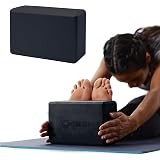
Using a yoga block or stacked books, this posture gently lifts the chest. It creates openness in the heart center. Shoulders relax back toward the floor. This counteracts the hunched posture often associated with anxiety. Supported Fish Pose invites expansion. It encourages deeper, more expansive breaths. The throat chakra also opens, facilitating self-expression. It is a wonderfully restorative pose.
Knees-to-Chest and Gentle Hip Openers
Initial knee-to-chest movements gently massage the sacrum. They release tension in the lower back and hips. Progressing to single-leg variations, with a tight grip, creates deep compression. This engages the hip flexors. Releasing this compression, then moving into a gentle twist, targets the outer hips. Twists also stimulate digestion and detoxify the body. These movements sequentially address deep-seated hip tension.
Bridge Pose (Setu Bandhasana)
Bridge pose is a powerful chest opener. It strengthens the back and glutes. Pressing through the feet and hands, the hips lift toward the ceiling. The chest naturally expands. This posture invigorates the body. It helps alleviate mild depression and anxiety. Focusing breath into the elevated chest maximizes its benefits. It encourages a sense of upliftment and spaciousness.
Neck and Shoulder Stretches
Sedentary lifestyles often contribute to neck and shoulder stiffness. Simple seated stretches are highly effective. Gently dropping the ear to the shoulder lengthens the neck muscles. Adding a hand for deeper stretch enhances release. Tilting the chin to the sternum stretches the posterior neck. These movements relieve tension headaches. They restore mobility to the upper body. These stretches are easily integrated into a workday.
Reclined Pigeon Pose (Supta Kapotasana)
This hip opener is practiced on the back. It targets deep hip flexor tension. Crossing one ankle over the opposite knee, then drawing the knee toward the chest, provides a strong stretch. Flexing the feet protects the knees. Many people hold emotional stress in their hips. This pose offers a profound release. It can feel intense, but it is deeply beneficial. Regular practice improves hip mobility significantly.
Happy Baby Pose (Ananda Balasana)
Happy Baby Pose is a comforting hip opener. It gently stretches the inner thighs and groin. Holding onto the big toes or shins, the knees draw toward the armpits. A gentle rock side to side massages the spine. This pose calms the brain. It relieves stress and fatigue. It is a playful yet effective posture. It promotes a feeling of childlike joy and release.
Camel Pose (Ustrasana)
Ustrasana is a deep backbend and heart opener. It can be practiced with hands on the lower back or reaching for the heels. This pose requires an open chest and strong core. It is an intense posture that demands breath focus. It expands the chest significantly. Camel Pose counteracts rounding of the shoulders. It builds confidence and courage. The invigorating energy release can be transformative.
The Importance of Savasana: Integrating the Practice
No yoga practice for stress and anxiety is complete without Savasana (Corpse Pose). This final resting posture allows the body and mind to fully absorb the benefits of the practice. Lying still, with palms facing up, the body finds deep relaxation. It is a moment for integration. During Savasana, a mindful body scan helps notice subtle shifts. Pay attention to how sensations have changed. This is where true healing and recalibration occur. It is not just lying down; it is conscious stillness. This cultivates lasting peace, accessible through consistent yoga for stress and anxiety.
Deep Breaths & Deeper Insights: Your Yoga for Stress & Anxiety Q&A
What is yoga for stress and anxiety?
Yoga for stress and anxiety uses intentional movement, breathwork, and deep relaxation to release physical tension and calm the mind. It helps regulate your nervous system to reduce feelings of stress and promotes a sense of well-being.
Where does stress usually get stored in the body?
Stress often causes tension in common areas like the chest, shoulders, upper back, neck, and hips. These areas can feel tight or restricted due to chronic stress, impacting both physical comfort and mental state.
What is Pranayama and how does it help with anxiety?
Pranayama refers to yogic breathing exercises, which are powerful tools for immediate relief. It helps by consciously shifting your body from a ‘fight or flight’ state to a ‘rest and digest’ state, which brings immediate calm and helps manage stress responses.
What is Savasana and why is it important at the end of a yoga practice?
Savasana, also known as Corpse Pose, is the final resting posture in yoga. It’s important because it allows your body and mind to fully absorb the benefits of the practice, promoting deep relaxation, integration, and a lasting sense of peace.